
72-Hour Ergonomic Go-Bag & Home Kit Configurator
Generic 90-item checklists trick families into packing 55-pound bags nobody can carry half a mile. Our workbench enforces an 18% body-weight ceiling, balances water vs. calorie density (140+ kcal/oz), and checks off items already in your hall closet first.
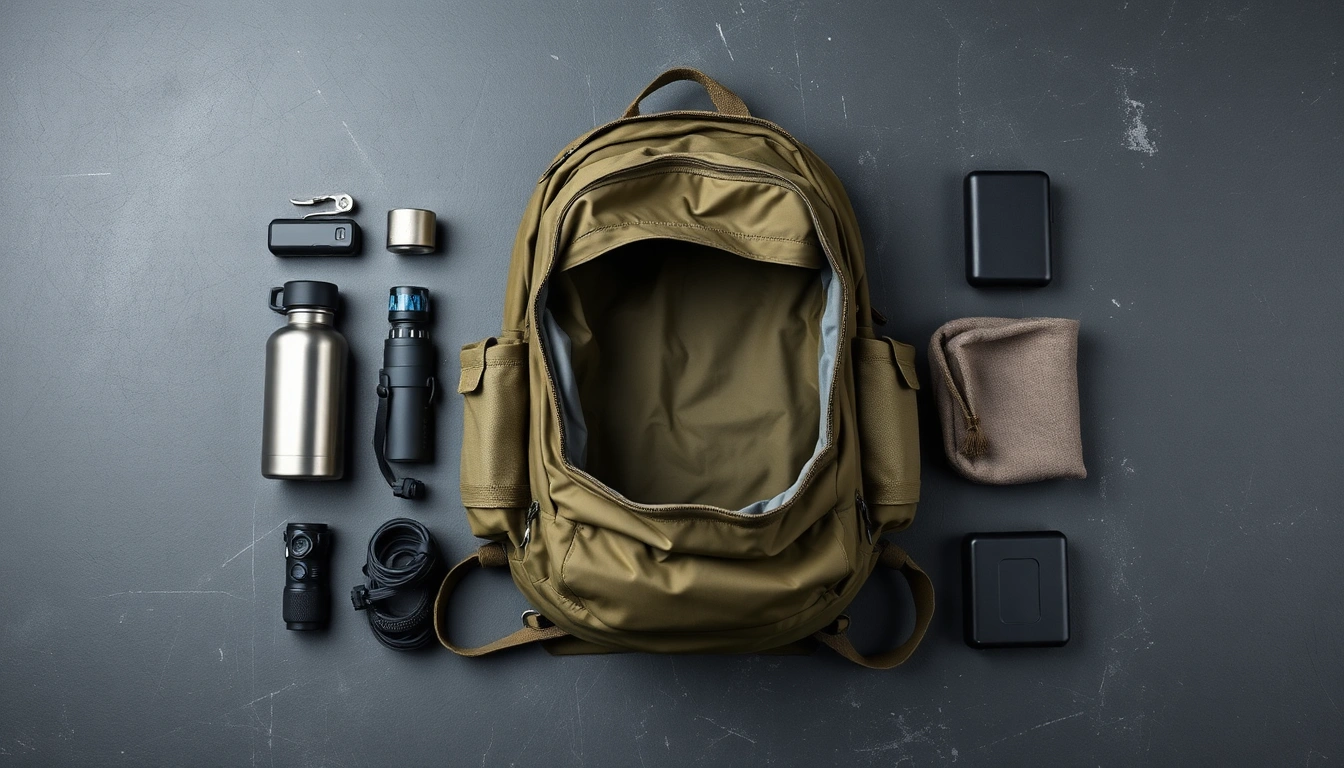
Balance carrier body weight, climate floor & closet items
72-Hour Go-Bag Mass & $0 Closet-Scavenge Audit Table
| Subsystem | Target Weight | $0 Scavenge-at-Home First | Only Buy If Missing |
|---|---|---|---|
| Hydration & Microfiltration | 6.0–9.0 lbs | 2x 1-liter stainless or cycling bottles filled fresh | 2 oz 0.1-micron hollow-fiber squeeze filter ($24) |
| Calorie-Dense Rations | 2.8–3.4 lbs | Peanut butter packets, salted nuts, oat bars (rotate 6 mo) | USCG 3,600-kcal 5-year ration bar ($11) for trunk heat |
| Thermal Shelter Core | 2.4–6.8 lbs | Broken-in trail shoes, wool socks, rain shell, knit hat | 3.8 oz breathable aluminized emergency bivy ($19) |
| Power, Light & Radio | 2.4 lbs | 10,000 mAh USB-C phone bank + braided charging cables | AAA headlamp (red-light mode) + pocket NOAA receiver |
| Trauma, Rx & Cash | 2.6 lbs | 7-day Rx bottle rotation, spare eyeglasses, N95s, $120 cash | CoTCCC windlass tourniquet + hemostatic gauze ($38) |
Pack Center-of-Gravity & 18% Biomechanical Load Rule
Pack dense water and power banks high and tight against the thoracic spine; exceeding 20% of body weight doubles ankle sprain and heat-exhaustion rates within 3 miles.
Frequently asked questions: 72-Hour Ergonomic Go-Bag & Home Kit Configurator
How heavy should a 72-hour emergency go-bag be?
Keep a 72-hour evacuation backpack at or below 18% of the carrier's healthy body weight—roughly 27 lbs for a 150-lb adult or 32 lbs for a 180-lb adult—by pairing 1 gallon of carried water with a 2-ounce hollow-fiber filter.
Why shouldn't I carry all 3 gallons of FEMA-recommended water in one backpack?
Three gallons of water alone weigh 25.02 pounds (8.34 lbs/gal), leaving almost zero weight budget for warmth, shoes, or medical gear. Keep 14+ gallons stored at home and in your vehicle trunk, and carry 3–4 liters plus a 0.1-micron filter on foot.
What items can I scavenge at home for $0 before buying survival gear?
Roughly 65% of a reliable go-bag already sits in your house: broken-in sneakers, wool socks, rain jacket, spare prescription glasses, USB-C power bank, zip-top document bags, heavy-duty trash bags, and shelf-stable nut butter.
Where should a household stage emergency kits so fire or debris never traps them?
Stage kits in three concentric rings: lightweight bedroom go-bags beside shoes and headlamps for 2 a.m. fire or quake exits, a 4-gallon trunk kit in each vehicle, and your heavy 14-day water and LFP battery reserve at home.
Explore connected household & profile-synced workbenches
- Check your local risk first: Enter your 5-digit ZIP code on our home screen or open Right-Now Crisis Mode to lock in your local NOAA radio station, freeze floor, and 24/7 hospital map.
- Fix your weakest link before a storm: Test what fails first at your house in 60 seconds—water, fridge, well pump, sump pump, or medical power—before buying gear you do not need.
- Keep an offline paper copy: Click Print on any county, city, or crisis checklist to put a 1-page Lifeline Card on your fridge or facility wall before cell towers go dark.
Our risk-free engineering & satisfaction guarantee
Every interactive sizing calculator, county hazard dossier, and local contractor quote match is 100% free with zero obligation. Every paid digital or waterproof print edition of our Custom County Continuity Binder and Institutional Compliance Kit is backed by a 30-day 100% unconditional money-back guarantee—if it does not give your household or facility total clarity, request a full refund in one click and keep your county comms card free.